
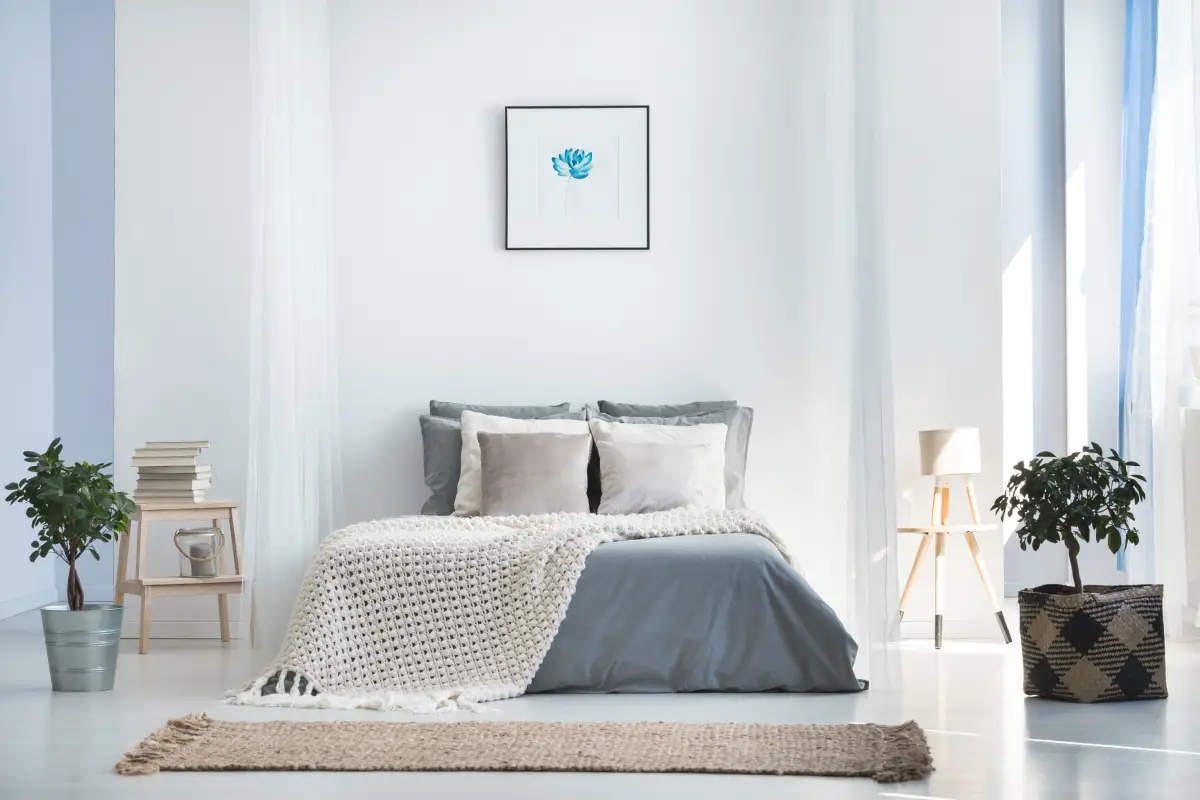
Before a tour even reaches the last room, insights like those discussed in this article on smart leasing incentives start shaping how renters picture their routines, and the floor plan determines whether that picture feels realistic. In Austin’s residential market, layout choices often influence leasing outcomes as much as pricing or finishes.
At PMI Austin Experts, we help property owners focus on how a home actually functions. This guide explains how thoughtful floor plans support tenant satisfaction, reduce friction, and contribute to stronger long-term rental performance across Austin neighborhoods.
Key Takeaways
- Floor plans strongly influence leasing speed and tenant retention.
- Bedroom placement affects privacy and household dynamics.
- Flexible spaces support evolving work and lifestyle needs.
- Kitchen, laundry, and storage layouts shape daily comfort.
- Family- and pet-friendly designs help stabilize occupancy.
Living Spaces That Feel Easy to Use
The main living area shapes first impressions quickly. Renters respond best to layouts that feel intuitive rather than overly segmented.
Open living spaces allow light to move naturally and make daily movement feel less restrictive. According to the National Association of Home Builders, 54% of new homes include open kitchen and dining layouts, reinforcing how strongly renters value connected spaces.
Designed for Real Life
Open layouts succeed when they support everyday habits instead of formal entertaining alone. Renters prefer rooms that adapt easily to shared meals, quiet evenings, and informal gatherings.
Connecting Indoor and Outdoor Areas
Patios, balconies, and yard access extend usable space. In Austin, where outdoor living is part of daily culture, these connections often enhance a rental’s appeal.
Bedroom Layouts That Support Privacy
Bedroom placement plays a key role in how well a household functions. Thoughtful design reduces friction and improves long-term comfort.
Practical Separation
Split-bedroom layouts allow occupants to maintain personal space while still sharing common areas. This arrangement works well for families, roommates, and multi-occupant households.
Limiting Noise and Traffic
Bedrooms placed away from kitchens and main living spaces experience fewer interruptions. This matters for tenants with remote work schedules or varying routines.
Comfortable Primary Suites
Private bathrooms and functional closet space encourage tenants to settle in. When sleeping areas feel comfortable, tenants are more likely to remain long term.
Flexible Rooms That Adjust Over Time
Many renters now expect their homes to support multiple roles. Work, study, and creative activities often take place in the same space.
Current workforce data shows 36.07 million remote part-time workers across the United States, which reinforces the value of adaptable layouts.
Multi-Use Space Planning
Flex rooms, lofts, or bonus spaces give tenants options without requiring changes to the structure. These rooms may function as offices today and guest rooms later.
Homes that accommodate adaptability often align with trends discussed in this overview of smart home technology, where modern living expectations continue to shape demand.
Kitchens and Laundry Areas That Support Routine
Kitchens and laundry rooms influence daily habits more than nearly any other spaces. Layout efficiency matters more to renters than decorative finishes.
Practical Kitchen Design
Clear paths between appliances improve usability. Adequate counter space and logical cabinet placement help renters imagine daily cooking without frustration.
Owners who protect these areas often rely on insights from proactive maintenance planning, which helps preserve functionality over time.
Thoughtful Laundry Placement
In-unit laundry remains a strong expectation in Austin rentals. Placement should feel accessible while staying out of primary living areas to maintain comfort.
Designing Layouts for Families and Pets
Families and pet owners represent a significant portion of Austin’s renter population. Layouts that accommodate them tend to perform more consistently.
- Open sightlines help with daily supervision.
- Durable flooring reduces wear in high-traffic areas.
- Simple outdoor access supports active households.
When these features are paired with consistent oversight, rentals experience fewer disruptions and steadier occupancy.
Storage and Accessibility That Improve Daily Comfort
Storage often determines whether a home feels functional or cramped. Even well-sized rentals feel limiting without adequate storage.
Storage That Works Day to Day
Closets, pantries, linen cabinets, and garage space help renters stay organized and comfortable. Practical storage supports long-term satisfaction.
Flow and Accessibility
Single-story layouts appeal to many renters, while two-story homes perform best when bedrooms and bathrooms are arranged logically. Direct garage access improves daily routines.
Owners who evaluate layout efficiency alongside insights found in these rental performance metrics often make more confident decisions.
Protecting Layout Performance Over Time
Even strong layouts require ongoing care to perform well long term. High-use areas benefit from regular attention to prevent small issues from growing.
Consistency Matters
Routine inspections help identify wear patterns before they affect livability. Guidance from this resource on property inspection importance highlights how proactive checks support tenant satisfaction.
Small Adjustments Add Up
Minor layout-related improvements often deliver meaningful results when addressed early. Adjusting traffic flow or improving storage access can enhance daily comfort without major renovations.
FAQs about Creating the Best Floor Plan in Austin, TX
How can floor plan design influence lease renewal decisions?
When a layout supports daily habits without friction, tenants are less likely to feel the need to relocate. Functional spacing, intuitive flow, and comfortable private areas often encourage renters to stay beyond their initial lease term.
What layout features matter most for renters who work irregular schedules?
Renters with nontraditional hours often value quiet zones, bedroom separation, and defined living areas. These elements help minimize disruptions and make shared or solo living more manageable over time.
Can an inefficient layout impact how tenants treat the property?
Yes. When spaces feel cramped or awkward, tenants may unintentionally create wear patterns through congestion. Efficient layouts encourage more balanced use, which can reduce stress on high-traffic areas.
Why do some smaller homes feel more livable than larger ones?
Smart space planning often matters more than size. Well-placed storage, clear walkways, and flexible rooms can make smaller homes feel organized and comfortable compared to larger homes with poor flow.
How should owners evaluate a floor plan before making improvements?
Owners benefit from observing how spaces are actually used. Focusing on movement patterns, storage access, and room versatility often reveals opportunities for meaningful improvements without major structural changes.
Keeping Austin Rentals Competitive Long After Move-In
A strong layout shapes how a home is experienced, but long-term performance depends on how well that design holds up under daily use. In Austin’s fast-moving rental market, properties that stay attractive over time are the ones supported by steady upkeep and informed planning.
At PMI Austin Experts, we help residential owners protect the function and livability built into their properties, focusing on wear patterns, seasonal demands, and high-use areas that influence tenant comfort. Take the next step to protect your property’s daily functionality with support that keeps your rental running smoothly and positioned for continued success.
When thoughtful design is paired with reliable care, rentals remain desirable, manageable, and prepared for the long term.
